

ADVERTISEMENT
ADVERTISEMENT
Screen Mirroring App Screen Mirroring App
Category
ToolsVersion
V1.51
Tag
screen | samsung | smartview
Rate
3.90
★★★★★
Reviews
500 +
Installs
5M +
Developer
Kraus und Karnath GbR 2kit consulting
Content Rating
Everyone
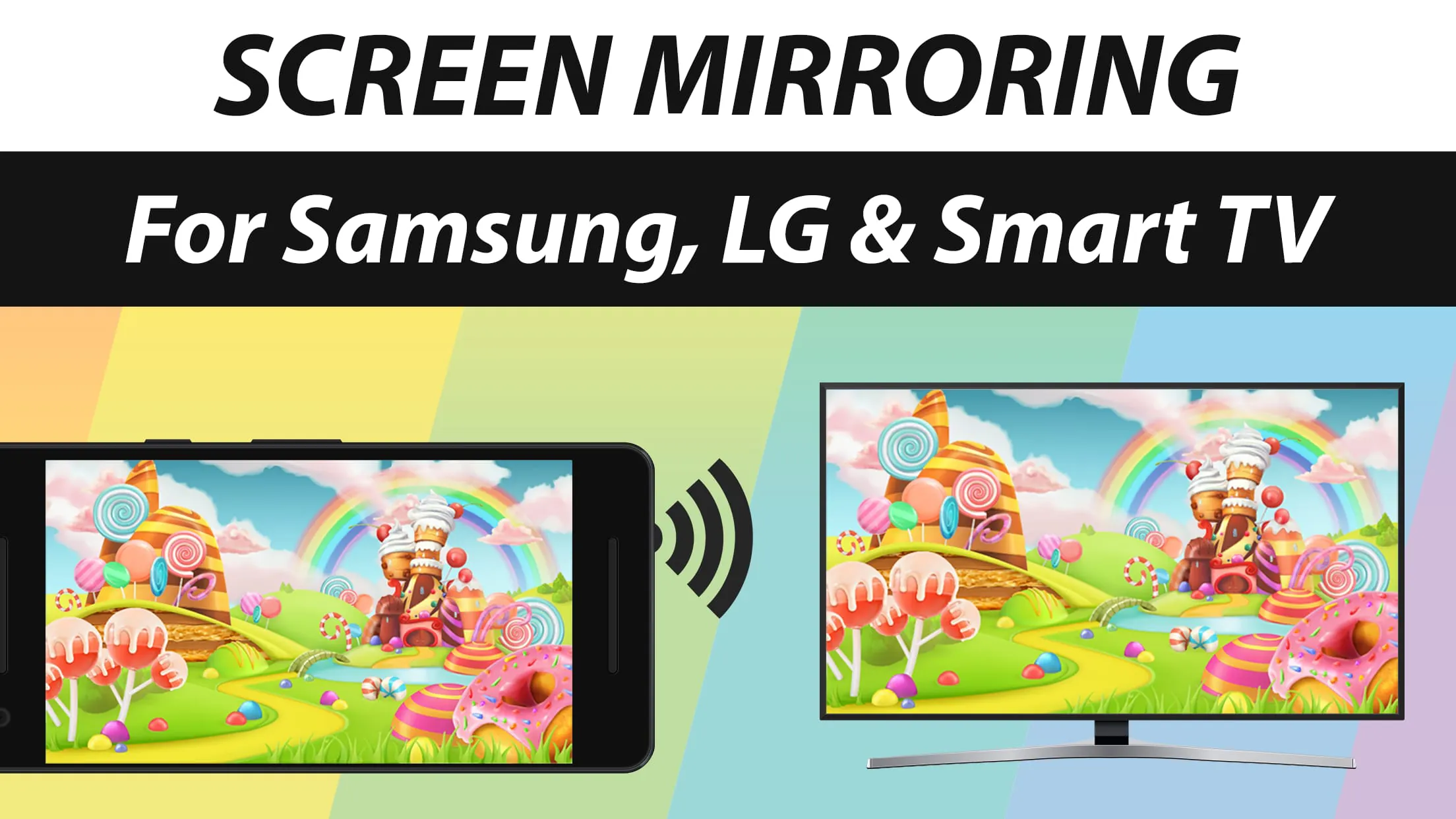
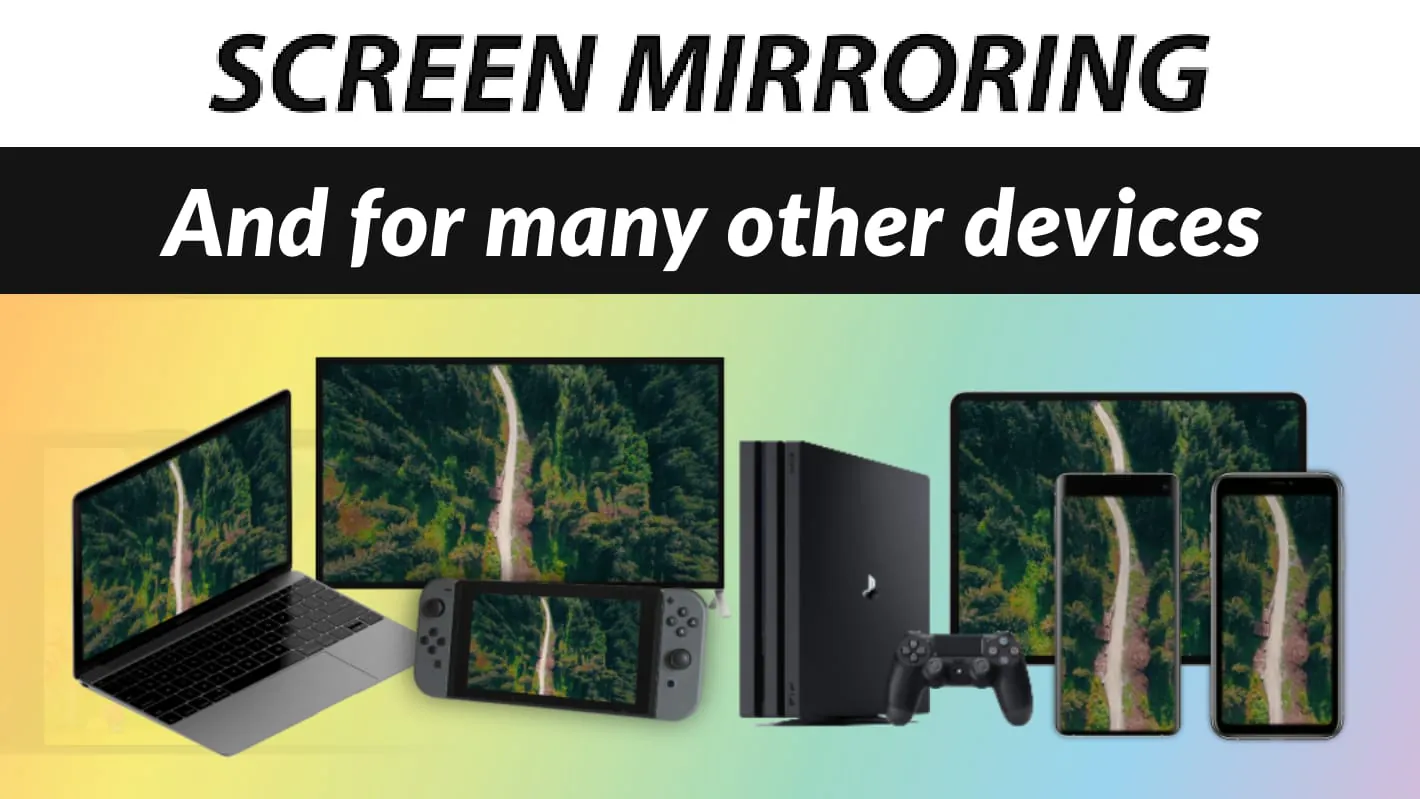
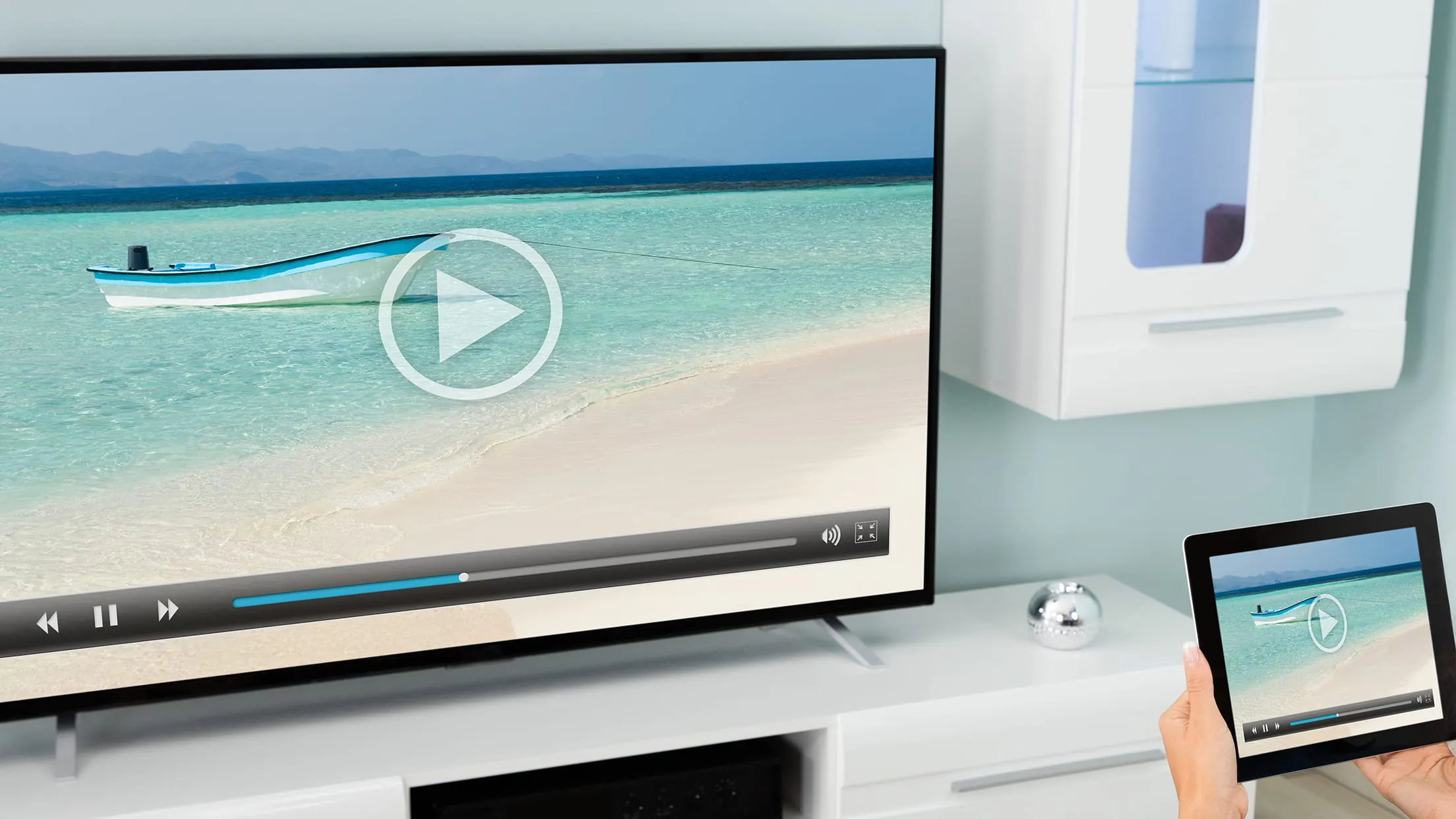
Screen Mirroring with sound for Samsung TV, LG TV, Sony TV, Smart TV and Browser
 APK
APK  Google Play
  iOS
iOS  3.90
3.90ADVERTISEMENT
ADVERTISEMENT
Author's Review
com Review
Screenshots
Additional Information
Category
ToolsVersion
V1.51
Tag
screen | samsung | smartview
Rate
3.90
★★★★★
Reviews
500 +
Installs
5M +
Developer
Kraus und Karnath GbR 2kit consulting
Content Rating
Everyone
Screen Mirroring with sound for Samsung TV, LG TV, Sony TV, Smart TV and Browser
ADVERTISEMENT
ADVERTISEMENT
Previous Versions
ZIP files require a Split APKs Installer (e.g., SAI) from Google Play to install. Steps: 1. Download SAI from Google Play; 2. Open SAI and tap "Install APKs"; 3. Select the ZIP file; 4. Complete installation.
V1.51

Package Name
de.twokit.screen.mirroring.app
Version Name
V1.51
Version Code
V1.51
File Size
25.01 MB
Update time
2023-11-2
V1.50
Package Name
de.twokit.screen.mirroring.app
Version Name
V1.50
Version Code
V1.50
File Size
25.02 MB
Update time
2023-10-17
V1.48
Package Name
de.twokit.screen.mirroring.app
Version Name
V1.48
Version Code
V1.48
File Size
24.95 MB
Update time
2023-9-4
V1.47
Package Name
de.twokit.screen.mirroring.app
Version Name
V1.47
Version Code
V1.47
File Size
24.79 MB
Update time
2023-6-11
V1.46
Package Name
de.twokit.screen.mirroring.app
Version Name
V1.46
Version Code
V1.46
File Size
23.63 MB
Update time
2023-5-30
V1.37
Package Name
de.twokit.screen.mirroring.app
Version Name
V1.37
Version Code
V1.37
File Size
22.41 MB
Update time
2022-12-22
ADVERTISEMENT
You Might Like